

Phase 1: Stabilize and Secure
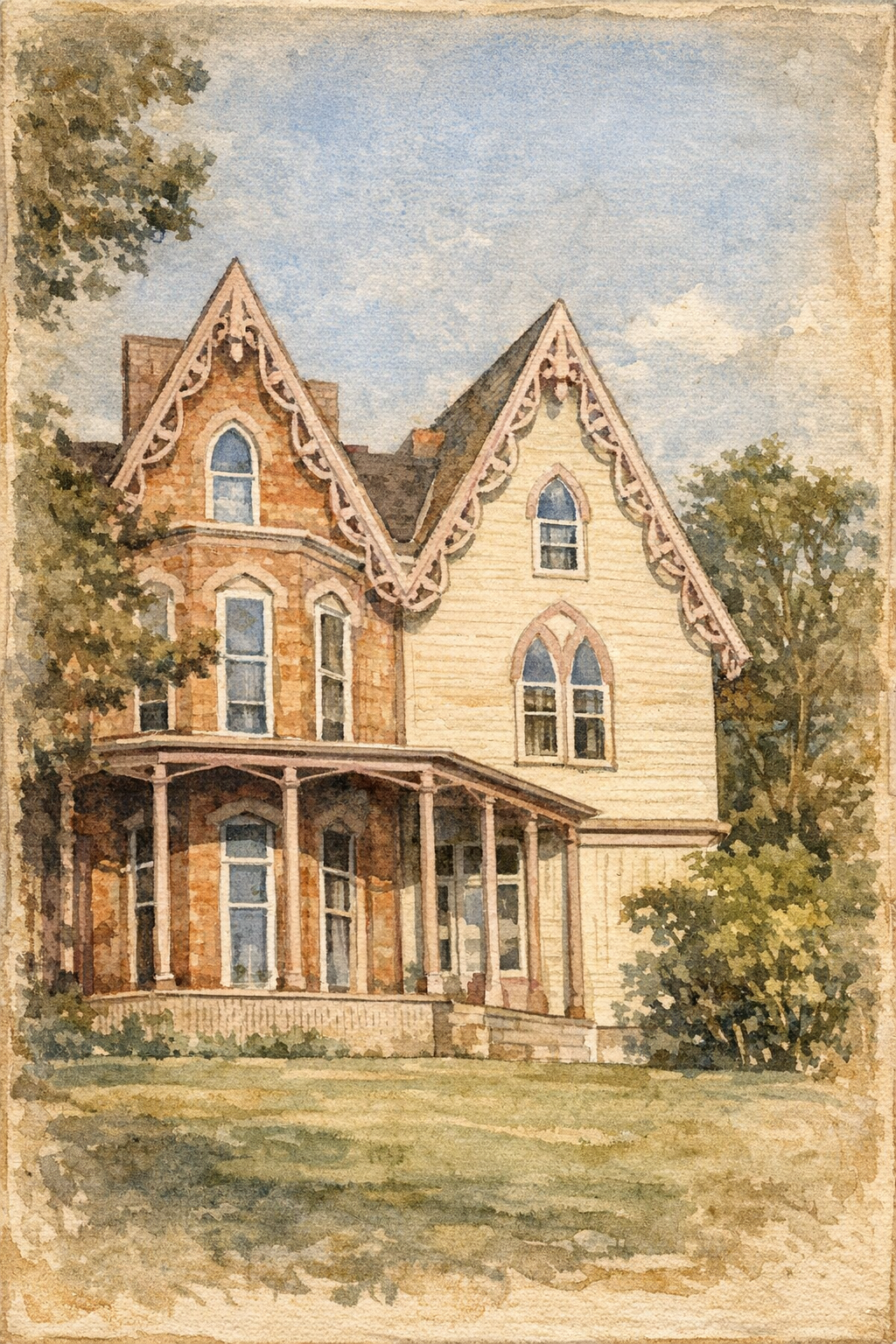
The first phase focuses on making the campus structurally safe, operational, and responsibly activated. Essential infrastructure is addressed first—priority systems such as roofs, water, safety, living quarters, and energy supply. The immediate goal is to halt deterioration, establish steady supervision, and ensure the property is fully functional before expanding broader public use. This protects the physical asset while creating a stable foundation for long-term use.
At the same time, Phase 1 generates measured activity and early revenue through continuing education and non-credit programming. From 2026 to 2028, Minerva will offer certificate, certification, and diploma-based programs designed for adult learners seeking practical, credentialed advancement. These offerings remain focused, structured, and aligned with the scale of the campus during its stabilization period.
Regional demographic data indicates a substantial population within a one-hour drive interested in face-to-face, synchronous, and online learning formats. MacMillan and Stratton Halls are well-suited for immediate activation, allowing programming to begin while broader renovations continue.
This phased approach ensures the campus is preserved and responsibly reintroduced—creating financial sustainability while maintaining disciplined stewardship.
Phase 2: Open with Curated Learning Pathways
Once the campus is stabilized, Minerva expands into a measured but intentional schedule of seasonal programming anchored by three concurrent initiatives. The centerpiece is the Cayuga Summer Arts & Sciences Festival, a residential summer program running from June through September in 7–14 day sessions. Participants stay on campus while engaging in immersive camps in Music, Theater, Visual Arts, Science, Environmental Studies, Creative Writing, Culinary & Wine, and related disciplines. Designed for high school students, families, and adults seeking active “working vacations,” the Festival activates academic buildings, studios, dining facilities, and select residential halls in a coordinated and well-managed manner.
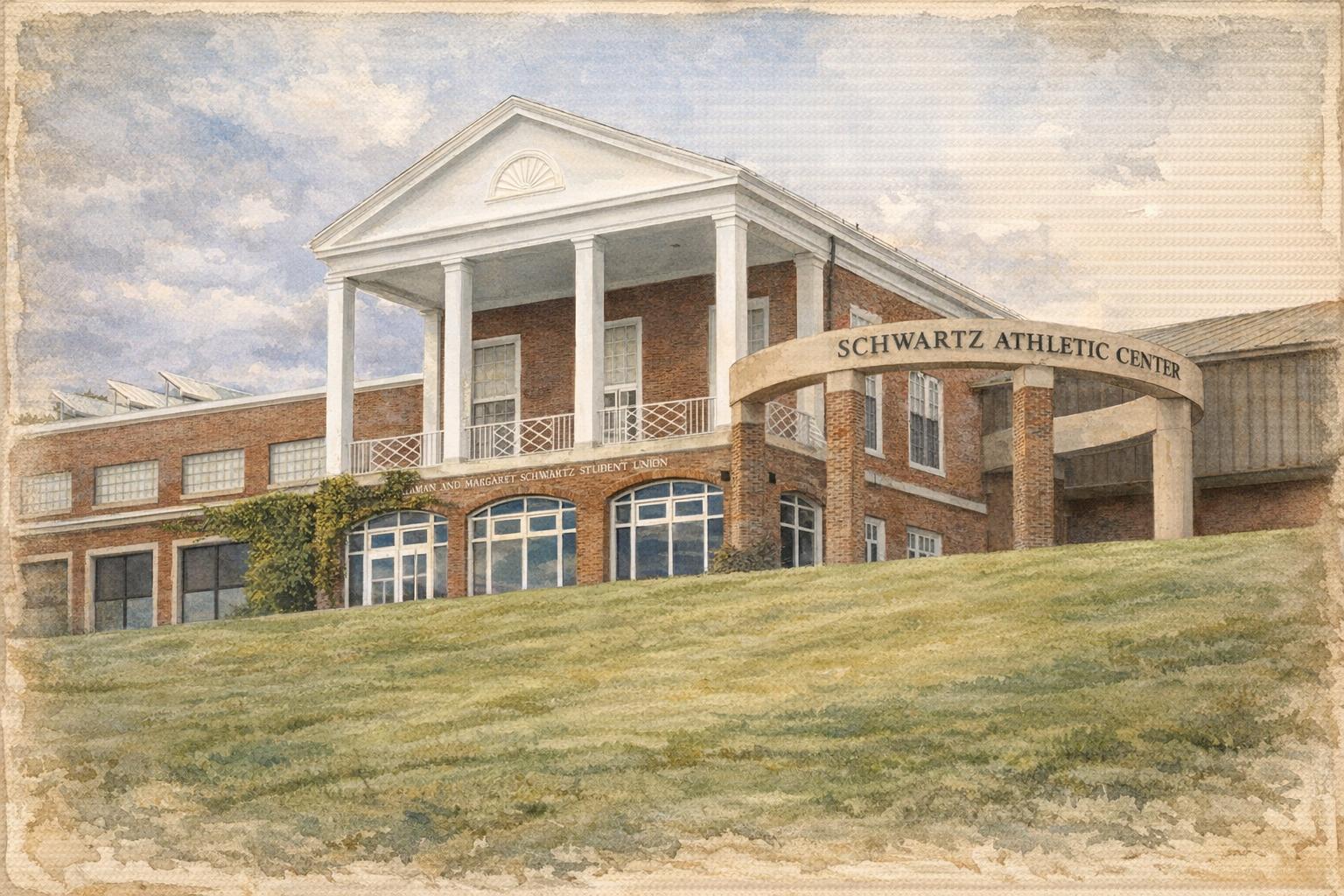
In parallel, the campus’ athletic fields, the Schwartz Center, and the golf course support a complementary summer program centered on wellness, natural team-building, leadership development, and personal accomplishment. These initiatives are structured, supervised, and intentionally small-format—ensuring that the campus remains calm, predictable, and consistent with Aurora’s quiet character while reestablishing it as a vibrant seasonal resource.
Phase 3: Long-Term Use & Generational Continuity
The third phase builds durable long-term operations by deepening the institute’s role as a year-round resource for families, adults, veterans, and retirees. The campus becomes a living ecosystem where participation includes stewardship—people contribute to maintenance, grounds care, and day-to-day support as part of benefiting from the place. At its core, this stage is about continuity: embedding the habits and systems that keep the campus actively cared for across decades.
Central to this vision is the creation of the new Elder College, a mixed residential program designed for up to 250 active adults aged 55 and above. The Elder College integrates the center campus buildings with newly constructed townhomes into a semi-enclosed village of renovated academic, dining, wellness, and social spaces. Together, these facilities form an interconnected residential and learning environment designed for daily engagement and year-round vitality. Skilled residential faculty in the Arts and Sciences provide consistent programming and intellectual leadership throughout the year, shaping a culture of inquiry and participation. Residents are not simply participants but contributors—expected to both enroll in and offer courses—ensuring that learning, engagement, and stewardship remain mutual and ongoing.

Additional: Land & Environmental Care
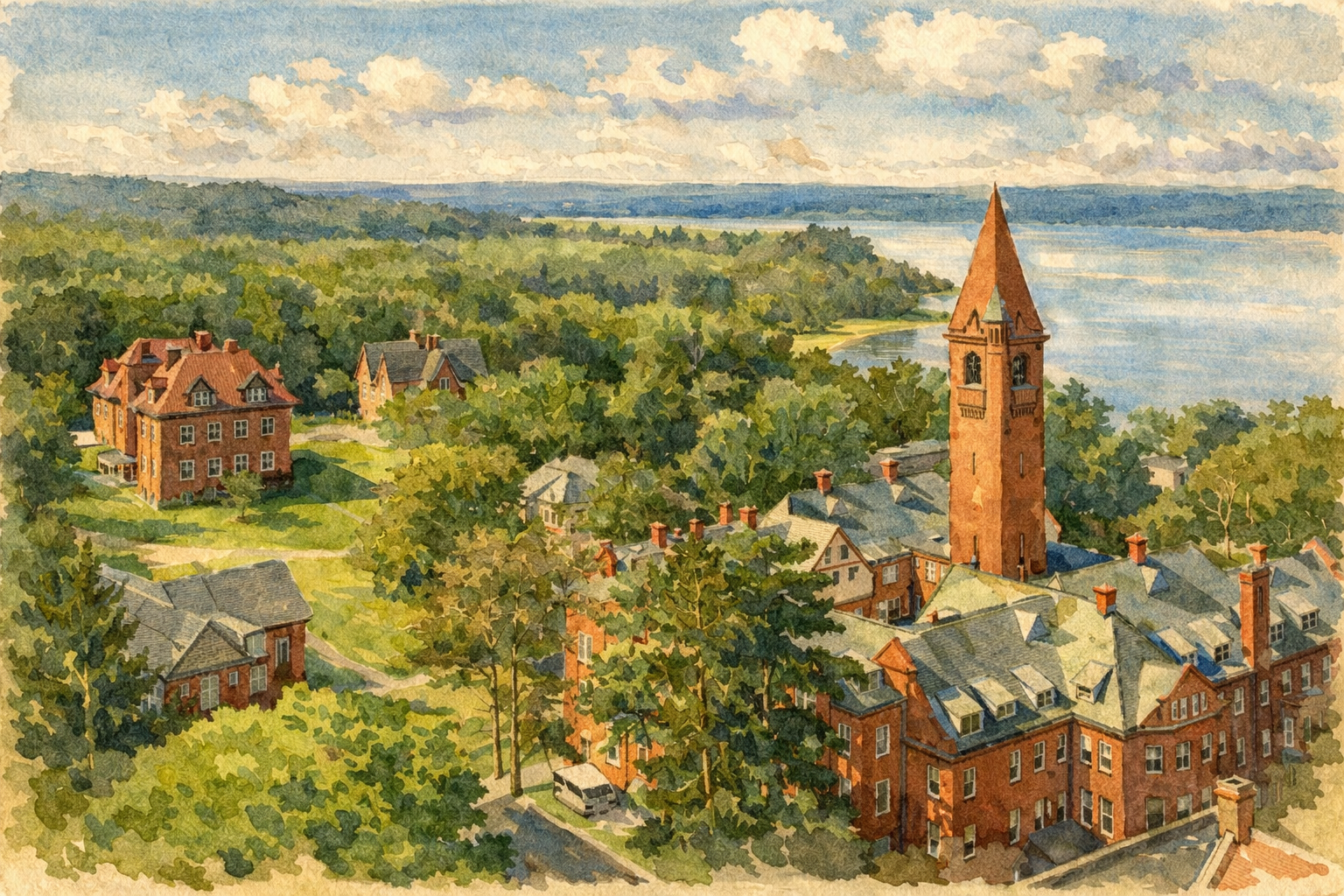
Environmental stewardship is treated as a core responsibility of campus life, not a side project. Minerva supports land care through community gardens, shoreline attention, water-quality awareness, environmental literacy, and hands-on stewardship that aligns with practical conservation goals. This approach keeps the campus grounds healthy and maintained while building community engagement around ecology, sustainability, and responsible use of the lakeside setting.